.jpg)
Last updated: July 2026
Pantelleria is a volcanic island in the middle of the Mediterranean, about 100 km southwest of Sicily and only 70 km from the coast of Tunisia — closer to Africa than to mainland Italy. It is an island of black lava rock, steaming fumaroles, dry-stone houses, caper fields and Zibibbo vineyards, with no sandy beaches but dozens of clear coves, sea-warmed rock pools and natural hot springs. This independent guide has everything you need to plan a trip: how to get there, how to get around, where to stay, what to do, and what to eat and drink.
We check details against official sources and refresh the guides through the season, so you can plan with information that is current rather than years out of date. Start with the four guides below, then dig into the practical questions further down the page.
Plan your Pantelleria trip
Four guides cover the essentials of a visit to Pantelleria. Begin wherever suits your planning.
Getting there & around
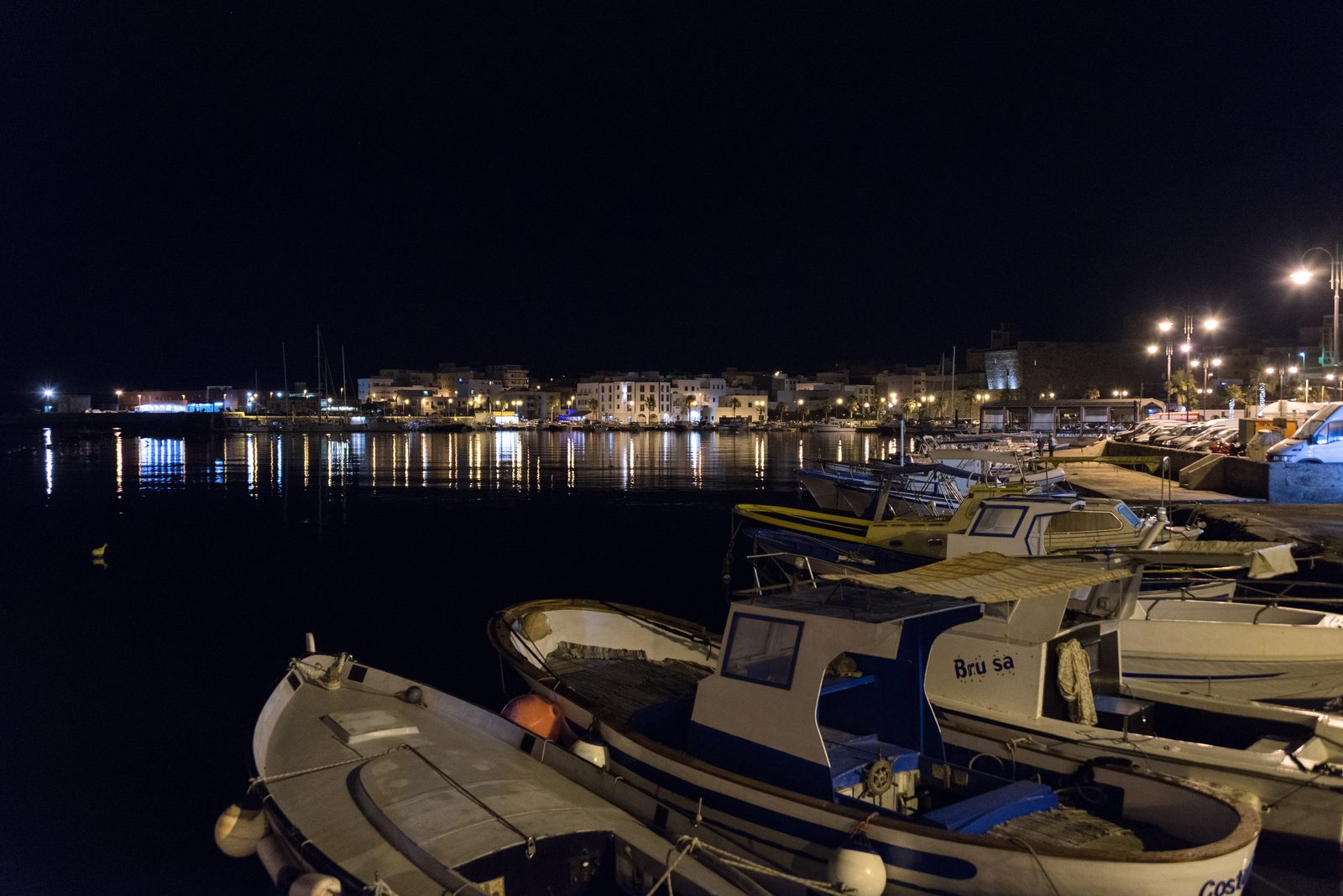
Flights via Sicily, ferries and hydrofoils from Trapani, then car, scooter, bus or boat once you land.
Things to do
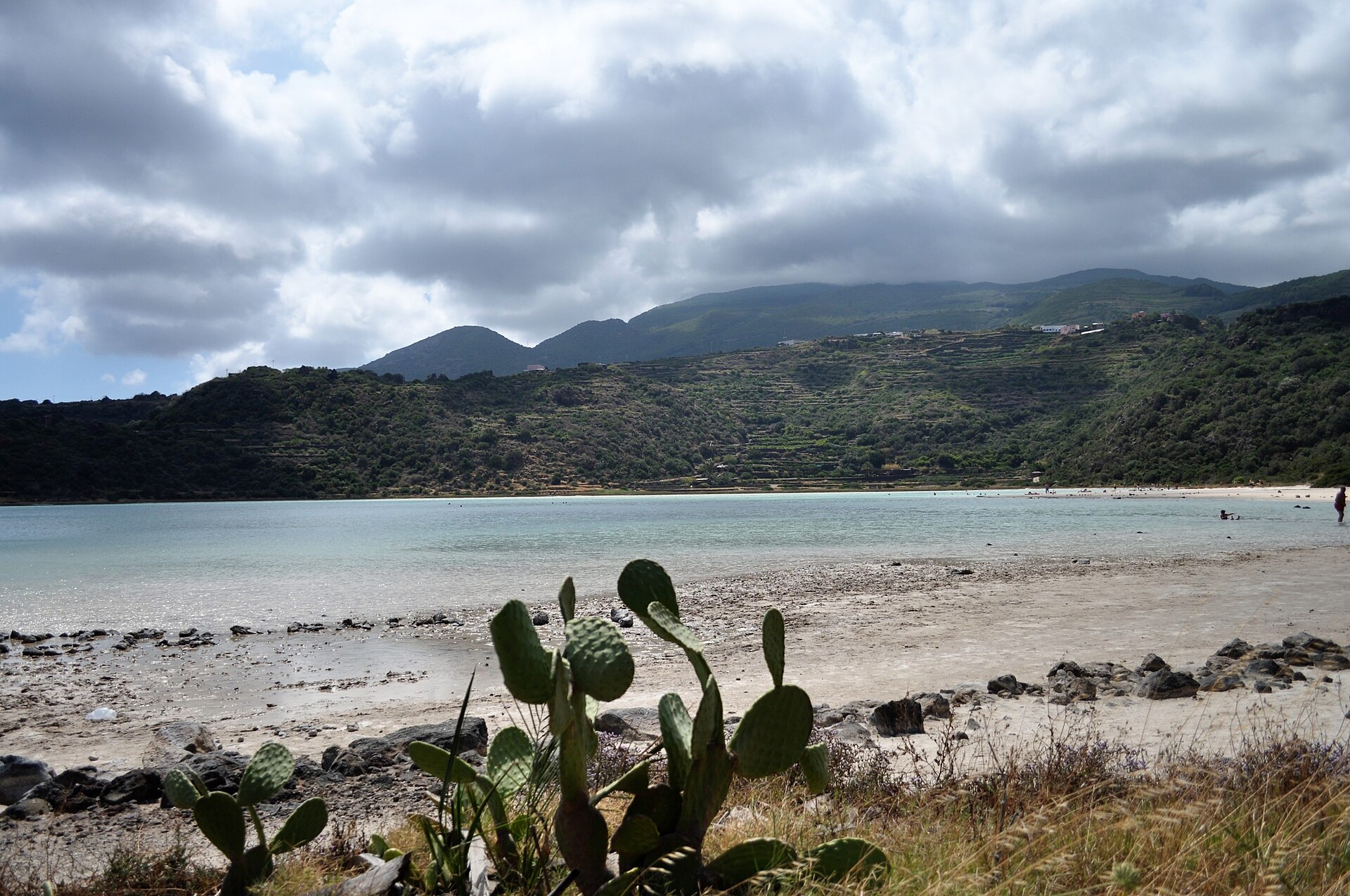
Coves and natural pools, thermal springs, diving, hiking the sleeping volcano and boat trips around the coast.
Food & drink
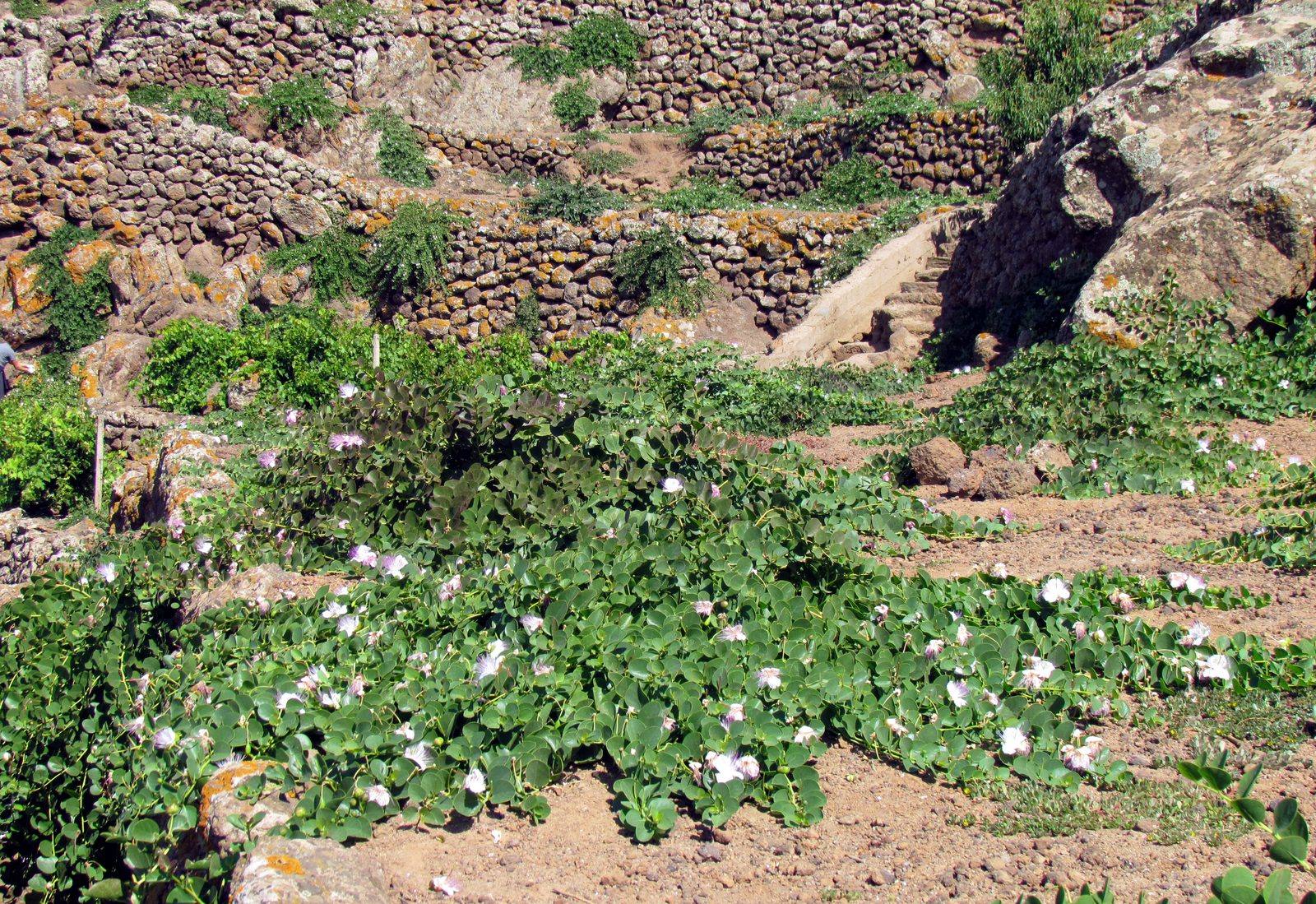
Capers, Zibibbo and sweet Passito wine, seafood trattorie, farm tables, wineries and harbour-side bars.
Where to stay
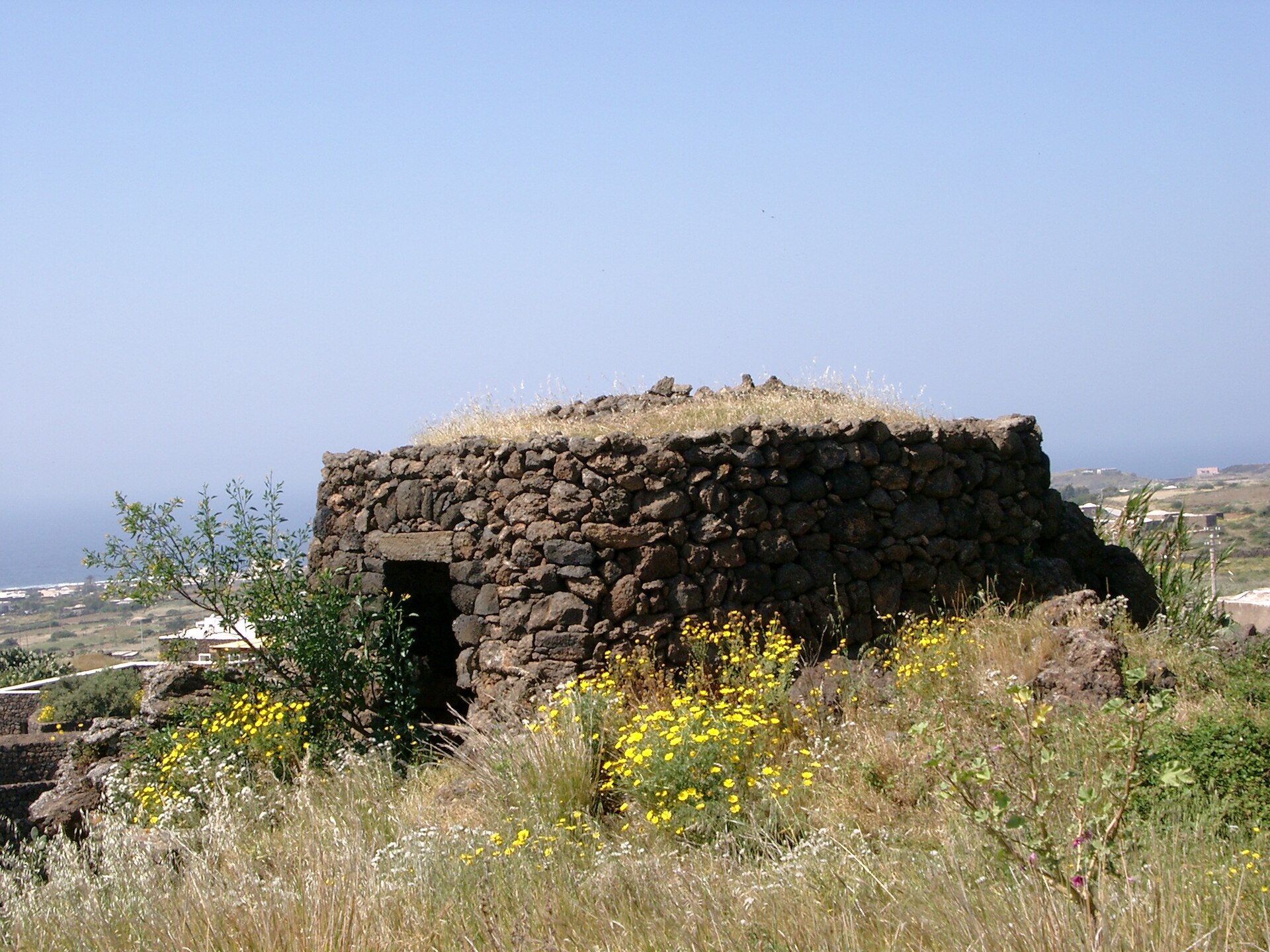
Sleep inside a stone dammuso, book a wine-estate agriturismo, or pick a hotel with a sea view and a pool.
What is Pantelleria known for?
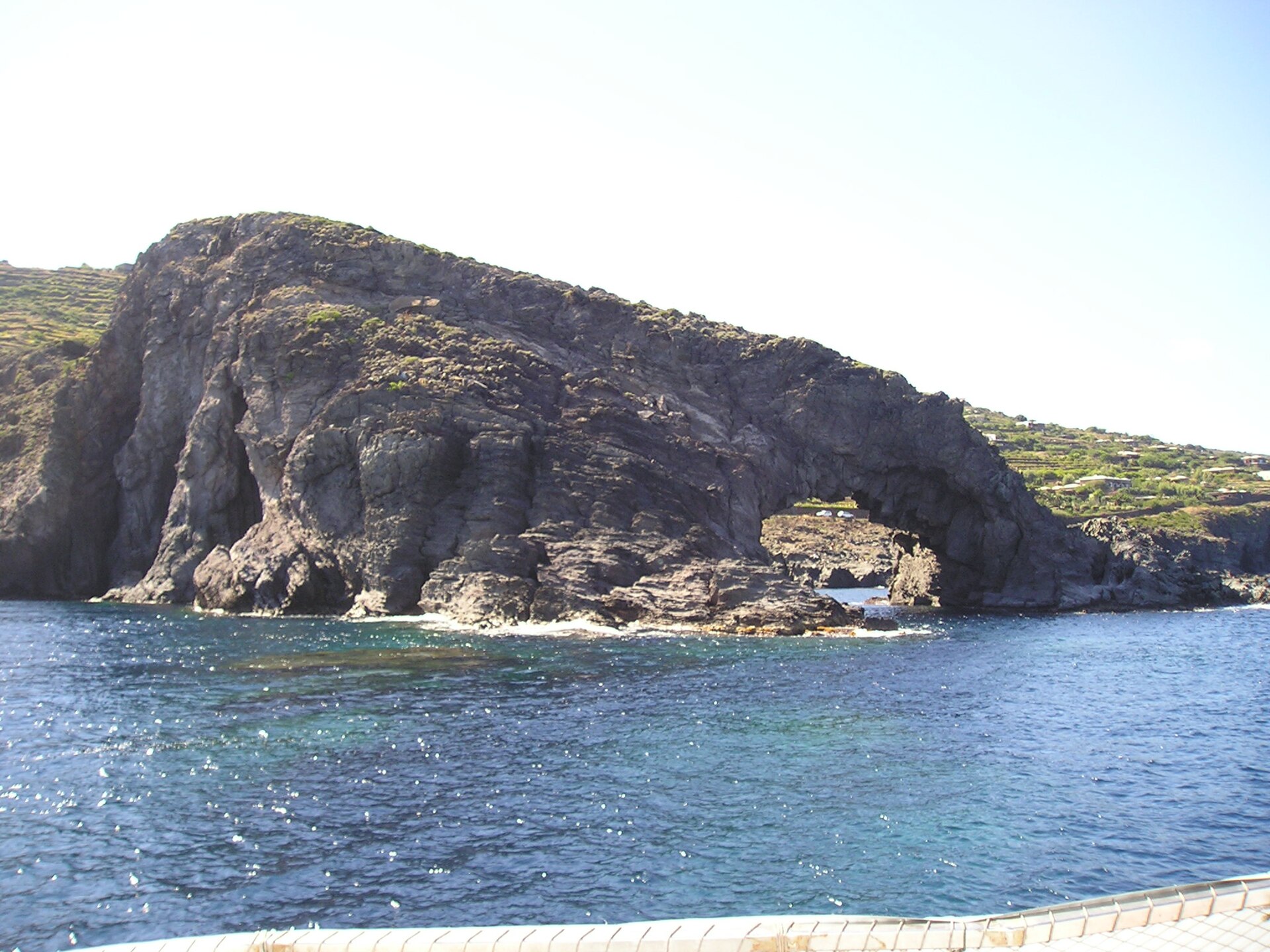
Pantelleria is known above all for capers, wine and dammusi. Its salted capers and caper berries are prized across Italy, and the island’s Zibibbo grapes become Passito di Pantelleria, a golden dessert wine; the alberello method used to train the vines is recognised as UNESCO Intangible Cultural Heritage. The scenery is just as distinctive — whitewashed dammuso houses built from black lava, natural hot springs and fumaroles, the elephant-shaped Arco dell’Elefante, Bronze-Age Sesi tombs, and Montagna Grande rising to 836 m at the island’s centre.
You can taste the island’s produce through wine and gastronomy, and walk to its high points and craters via hiking and outdoor.
How is the island laid out?
Pantelleria has one main town, also called Pantelleria, on the north-west coast, where ferries and hydrofoils dock and most shops and services cluster. Smaller villages ring the island — Scauri and Rekale to the south-west, Khamma, Tracino and Gadir in the east, and Bugeber and Bukkuram inland. Roads climb steeply between them over the flank of Montagna Grande, so distances feel longer than they look on a map, and a car makes the difference.
How do you get to Pantelleria?
You reach Pantelleria by air or by sea. Danish Air Transport flies year-round from Palermo, Trapani and Catania in under an hour, and seasonal direct flights link Rome, Milan and other Italian cities in summer. The car ferry sails from Trapani in Sicily all year, with far more crossings between June and September; the faster hydrofoil carries foot passengers only and runs from roughly mid-June to mid-October.
The airport (PNL) sits a few minutes from Pantelleria town, and boats dock at the town harbour; the car ferry is the only way to bring your own vehicle. For current airlines, ferry operators, schedules, fares and luggage rules, read how to get to Pantelleria, part of the full Pantelleria transport guide.
How do you get around Pantelleria?
A rented car or scooter is the easiest way to explore Pantelleria. The island covers about 83 km² and its roads are steep and winding, so having your own wheels saves a lot of time. Local buses connect the main villages cheaply but run infrequently, and small boats or kayaks reach coves you cannot drive to.
Compare agencies, categories and driving rules in the car and scooter rental guide, check routes and fares on the Pantelleria bus guide, or plan a day on the water with boat trips and rentals. Everything is gathered under getting around Pantelleria.
What are the best things to do in Pantelleria?
Swimming and soaking top most lists. Pantelleria has no sandy beaches, but its lava coast hides clear coves and natural pools, and the island’s volcanic heart feeds hot springs such as Lago di Venere, the seaside tubs at Gadir and the natural steam caves. Diving, hiking the craters and boat tours round out the days.
Explore the shoreline in the beaches and coves guide, plan a soak with the thermal springs guide, go underwater with diving in Pantelleria, or walk the volcano through hiking and outdoor. See the full list in things to do in Pantelleria.
Where should you stay in Pantelleria?
Most visitors sleep in a dammuso, a thick-walled house of black lava stone with a whitewashed domed roof, scattered across the countryside. You will also find wine-estate agriturismi and a handful of hotels and boutique resorts near the sea. There is no big resort strip, so book early for July and August.
Read up on dammuso stays, agriturismo farm stays and the best hotels in Pantelleria, or start with the overview of where to stay in Pantelleria.
What is there to eat and drink in Pantelleria?
Pantelleria’s kitchen is built on capers, sun-dried tomatoes, fresh fish and Zibibbo grapes. Look for pesto pantesco, bitter-green ravioli with ricotta and mint, and couscous, then finish with a glass of sweet Passito wine. Family trattorie, farm tables and harbour bars each serve their own version of the island’s food.
Find tables in the best restaurants guide, tour cellars through wineries and wine tours, dig into wine and gastronomy, or plan an evening with bars and nightlife — all gathered in the Pantelleria food and drink guide.
When is the best time to visit Pantelleria?
The season runs from May to October. July and August are the hottest and busiest months and the best for warm-sea swimming, but also the windiest, with the scirocco, and the priciest for beds. May, June, September and early October are quieter and cheaper, with warm days and fewer crowds — the sweet spot for most travellers.
Whenever you come, pack for wind and sun and bring shoes you can swim in, since you enter the sea from rock rather than sand. Outside the season, roughly November to April, the island turns green and calm, but many hotels, restaurants and boat operators close, so check opening dates before you plan a winter trip.
Frequently asked questions about Pantelleria
Pantelleria is an Italian volcanic island in the Strait of Sicily, roughly 100 km southwest of Sicily and about 70 km from Tunisia. It belongs administratively to the province of Trapani, in Sicily, but it lies closer to the North African coast than to the Italian mainland.
Fly or sail. Danish Air Transport flies year-round from Palermo, Trapani and Catania in under an hour, and seasonal routes connect Rome, Milan and other Italian cities in summer. The car ferry from Trapani runs all year; the faster hydrofoil is seasonal, roughly mid-June to mid-October, and carries foot passengers only.
For most trips, yes. Pantelleria’s sights are spread across a hilly island of about 83 square kilometres, and public buses are cheap but infrequent. Renting a car or scooter gives you the freedom to reach remote coves, hot springs and vineyards. Book your rental ahead for July and August.
No. Pantelleria has no sandy beaches. Its coastline is black volcanic rock, so swimming happens from lava ledges, natural rock pools and a few pebbly coves reached on foot or by boat. Water shoes help. In return you get deep, exceptionally clear water and dramatic scenery.
Between May and October. July and August bring the hottest weather, warmest sea and biggest crowds, while May, June, September and early October are quieter, cheaper and still warm enough to swim. In winter the island is mild but many hotels, restaurants and boat operators close.
Plan four to seven days. A long weekend covers the highlights, such as the Arco dell’Elefante, Lago di Venere and a boat tour around the coast. A week lets you slow down for hikes, wineries, thermal springs and quiet coves without rushing, which suits the island’s unhurried pace.
Image credits
- Arco dell’Elefante — Luca Conti, CC BY 2.0, via Wikimedia Commons
- Port of Pantelleria — Giorgio Galeotti, CC BY 4.0, via Wikimedia Commons
- Lago di Venere — Luce61, CC BY-SA 4.0, via Wikimedia Commons
- Caper bush — Rosario Cappadona, CC BY-SA 3.0, via Wikimedia Commons
- Traditional dammuso — Michael Leithold, public domain, via Wikimedia Commons


.jpg)
